
HVAC Systems in Sri Lanka: Choosing the Right Solution for Commercial and Residential Buildings
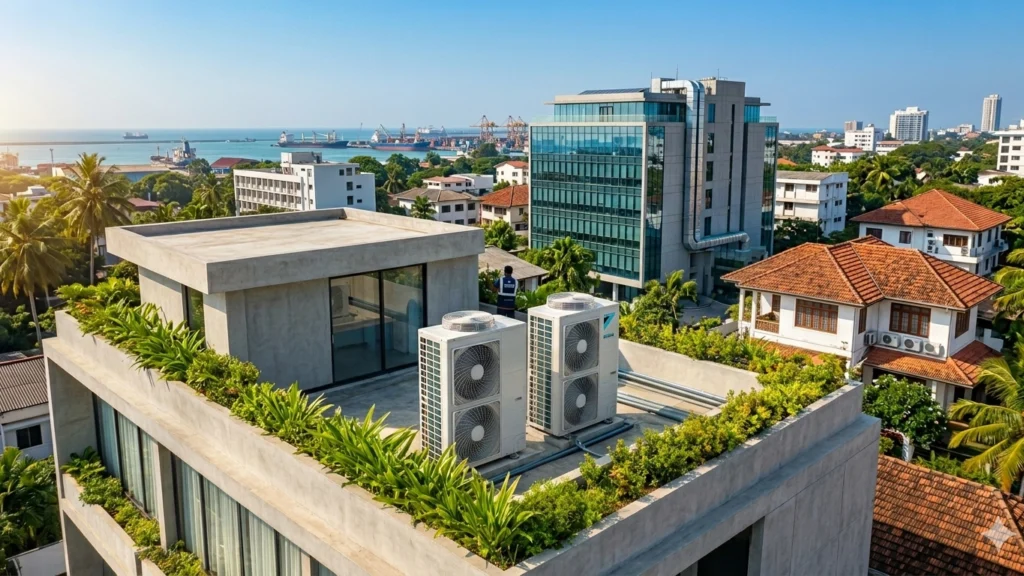
HVAC Systems in Sri Lanka: Choosing the Right Solution for Commercial and Residential Buildings Introduction In Sri Lanka’s tropical climate, HVAC systems are not a luxury, they are essential. Whether for a high-rise condominium, commercial office, hospital, or industrial facility, selecting the right HVAC system directly impacts comfort, energy efficiency, and operational cost. What Is an HVAC System? HVAC stands for Heating, Ventilation, and Air Conditioning. In Sri Lanka, HVAC primarily focuses on cooling, ventilation, humidity control, and indoor air quality management. Types of HVAC Systems Used in Sri Lanka 1. VRV / VRF Systems Ideal for commercial buildings and luxury apartments. Energy-efficient and scalable. 2. Chilled Water Systems Used in large commercial and industrial buildings. 3. Split and Multi-Split Systems Common in residential and small office applications. 4. Mechanical Ventilation Systems Used in basements, car parks, and high-rise buildings for air circulation and smoke extraction. Key Factors to Consider When Selecting HVAC Building size and occupancy Energy efficiency requirements Maintenance accessibility Compliance with local regulations Future expansion capability Benefits of Professional HVAC Installation Reduced electricity consumption Improved indoor air quality Extended equipment lifespan Lower maintenance costs Enhanced occupant comfort Conclusion An efficiently designed HVAC system enhances building performance and occupant well-being. Proper system selection and professional installation are critical to maximizing efficiency in Sri Lanka’s climate conditions.
What Does an MEP Company Do? A Complete Guide for Property Developers in Sri Lanka

What Does an MEP Company Do? A Complete Guide for Property Developers in Sri Lanka Introduction When planning a residential tower, commercial complex, or industrial facility, one of the most critical partners in the project lifecycle is the MEP contractor. MEP stands for Mechanical, Electrical, and Plumbing, the core systems that make a building functional, safe, and efficient. In Sri Lanka’s rapidly evolving construction sector, selecting the right MEP company can directly impact cost efficiency, regulatory compliance, energy performance, and long-term maintenance. What Is an MEP Company? An MEP company designs, installs, coordinates, and maintains the mechanical, electrical, and plumbing systems within a building. These systems include: HVAC (Heating, Ventilation & Air Conditioning) Electrical power distribution and lighting Fire detection and fire fighting systems Plumbing and drainage systems ELV (Extra Low Voltage) systems Testing and commissioning services Without proper MEP integration, even the most architecturally impressive building cannot function effectively. Why MEP Is Critical in Modern Construction 1. Energy Efficiency Optimized HVAC and lighting systems significantly reduce operational costs. 2. Safety & Compliance Fire detection systems, emergency evacuation systems, and electrical protection ensure compliance with Sri Lankan regulatory authorities. 3. System Integration Modern buildings require seamless coordination between mechanical, electrical, and plumbing systems to avoid costly rework. 4. Long-Term Asset Value Well-designed MEP systems increase property value and reduce maintenance risk. Key Services Offered by MEP Contractors in Sri Lanka Mechanical Services (HVAC & Ventilation) VRV/VRF systems Chilled water systems Mechanical ventilation Indoor air quality management Electrical Services Power distribution systems Lighting design and installation ELV systems Energy-efficient upgrades Fire Protection & Detection Fire sprinkler systems Fire alarm systems Smoke control systems Emergency evacuation systems Plumbing & Sanitary Systems Water supply systems Drainage systems Pump installations How to Choose the Right MEP Company in Sri Lanka When selecting an MEP contractor, consider: Industry accreditation (e.g., CIDA grading) Experience in high-rise or complex projects In-house engineering capability Proven completed project portfolio Compliance and safety standards What does an MEP contractor do in construction? An MEP contractor designs, installs, and maintains mechanical, electrical, plumbing, and fire protection systems in buildings. Why is MEP coordination important? MEP coordination prevents system clashes, reduces rework, improves efficiency, and ensures compliance. Is MEP required for residential buildings? Yes. All modern residential buildings require electrical, plumbing, HVAC, and fire systems designed by qualified professionals. Conclusion MEP systems form the operational backbone of every building. Choosing an experienced and technically capable MEP company ensures safety, compliance, efficiency, and long-term reliability. For developers and building owners in Sri Lanka, investing in quality MEP services is not an option, it is a necessity.